Stronger agent coding
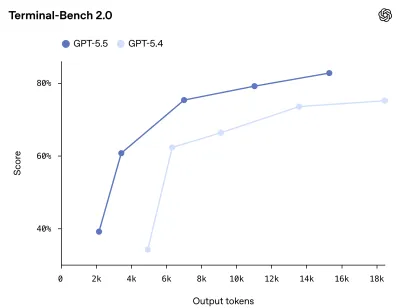
OpenAI reports higher completion on agent coding evals such as Terminal-Bench—better suited to multi-step coding and tool collaboration.
GPT-5.5 is OpenAI’s flagship released in April 2026 for complex professional work: agent coding, computer use, knowledge work, and early research. Versus GPT-5.4, OpenAI emphasizes stronger agent capability and lower token use. With GPT-5.6 available, the heaviest new jobs can compare Sol and everyday balanced work can compare Terra; if your workflows already run stably on GPT-5.5, it remains a solid primary. On iMini Agent, pick GPT-5.5 to use it.
Agent coding, intelligence at matched latency, and knowledge work—what to check before moving from 5.4 to 5.5.
OpenAI reports higher completion on agent coding evals such as Terminal-Bench—better suited to multi-step coding and tool collaboration.
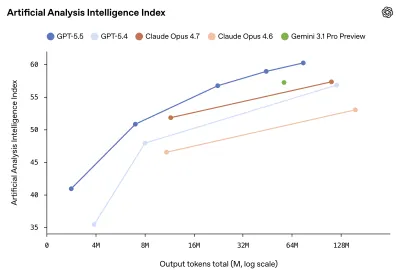
Versus GPT-5.4, OpenAI emphasizes stronger intelligence at comparable serving latency, and finishing Codex-style work with fewer tokens.
Million-token context keeps long specs, multi-source materials, and tool traces in one thread—suited to knowledge work and complex delivery.
On GeneBench and cybersecurity-related evals, OpenAI reports step-ups versus the prior generation—useful before deciding whether to move to GPT-5.6.
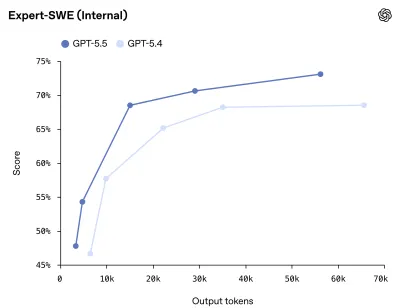
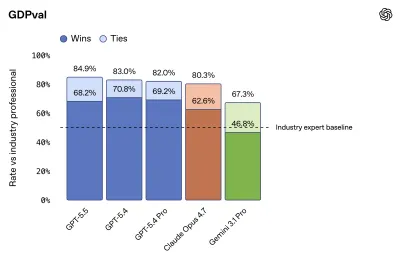
Results OpenAI published with GPT-5.5, compared with GPT-5.4 and peer flagships—covering composite intelligence, software engineering, knowledge work, computer use, and security research.
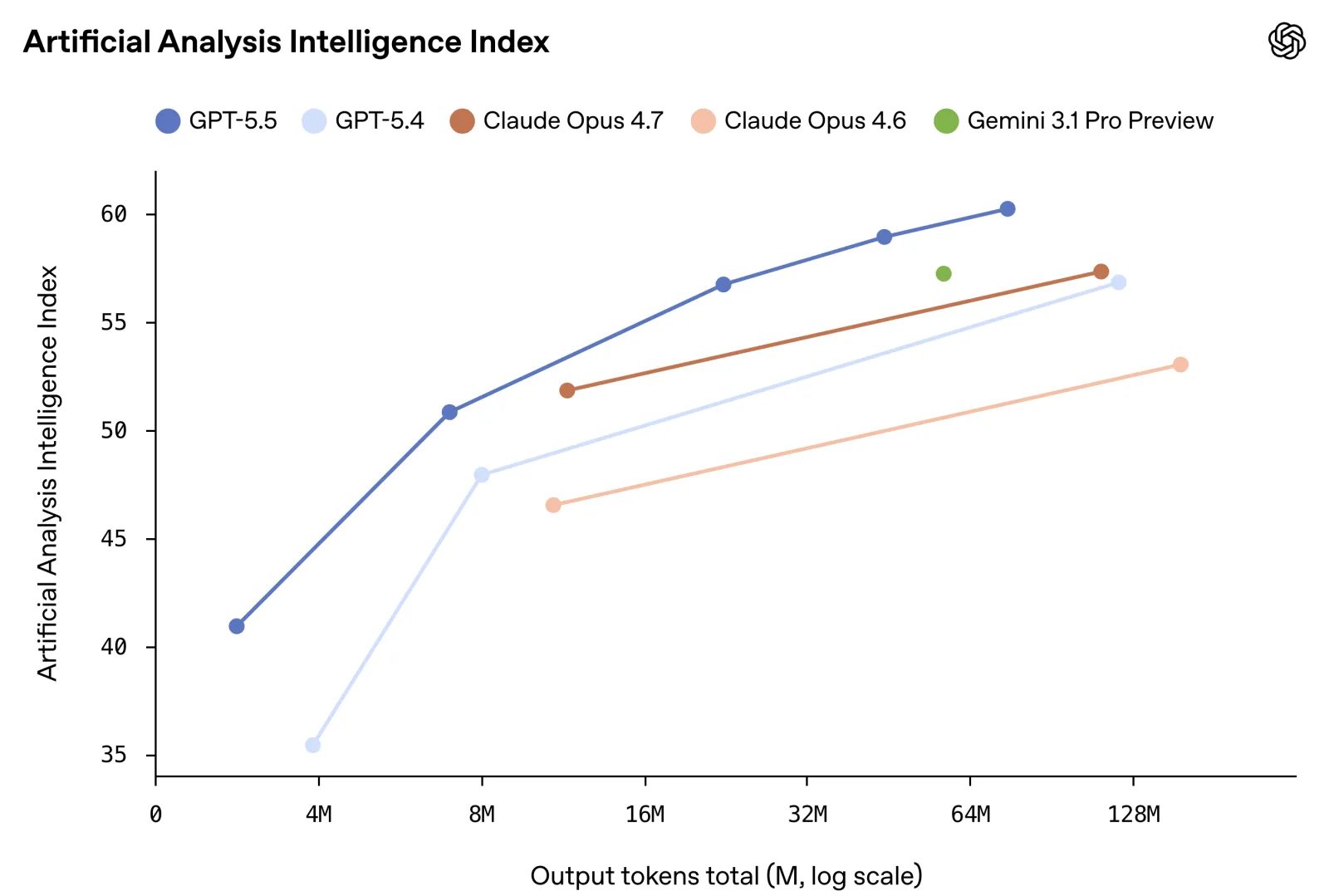
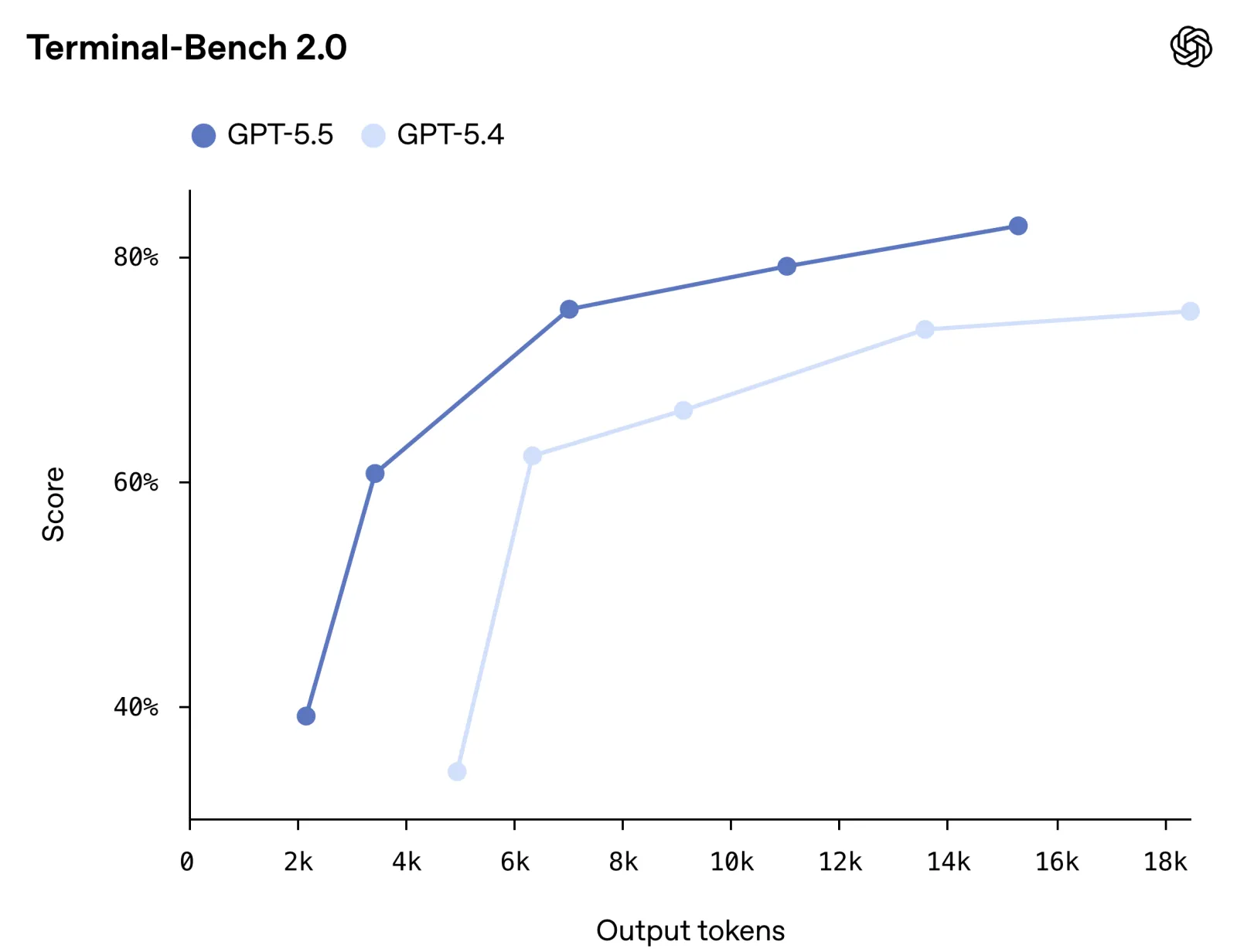
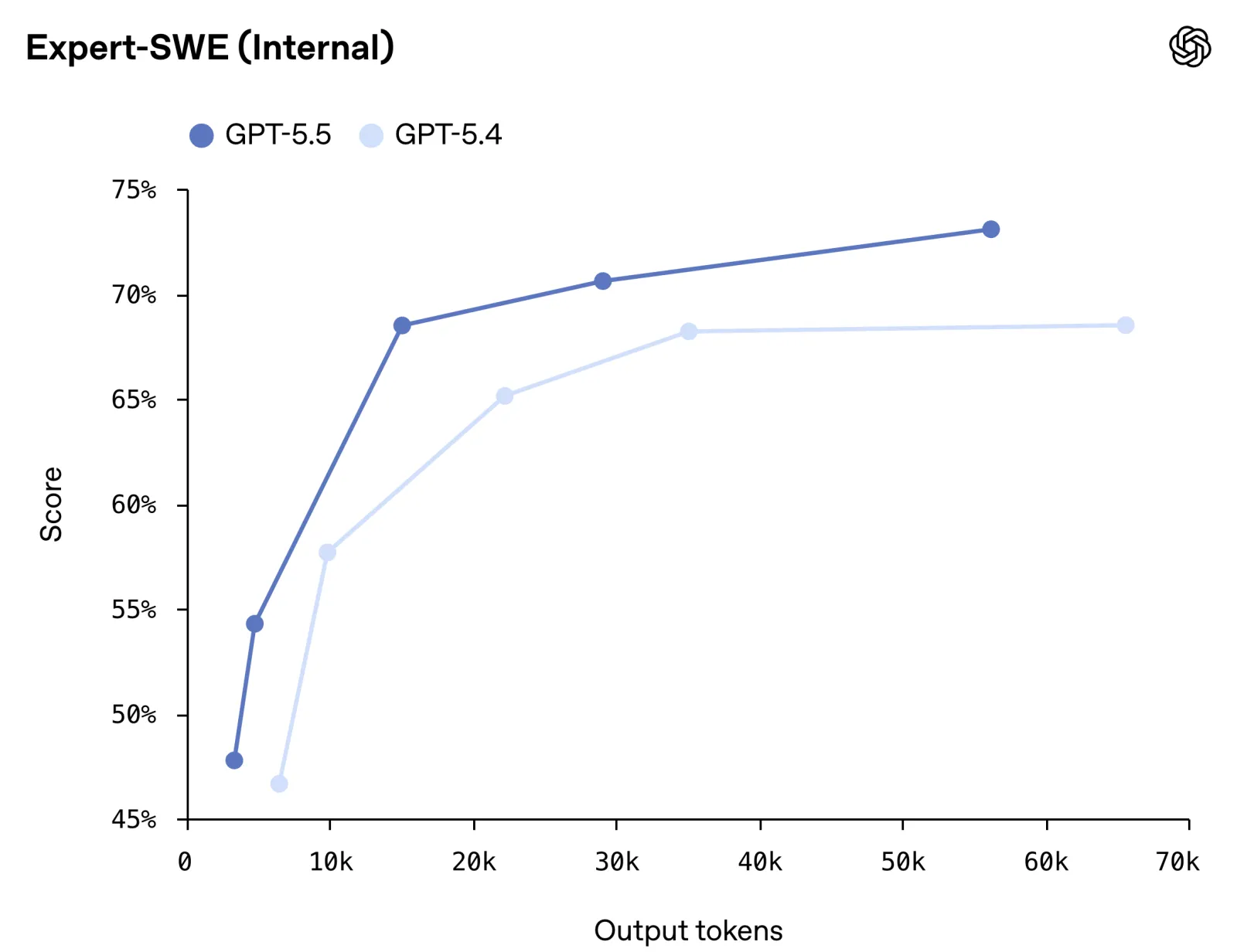
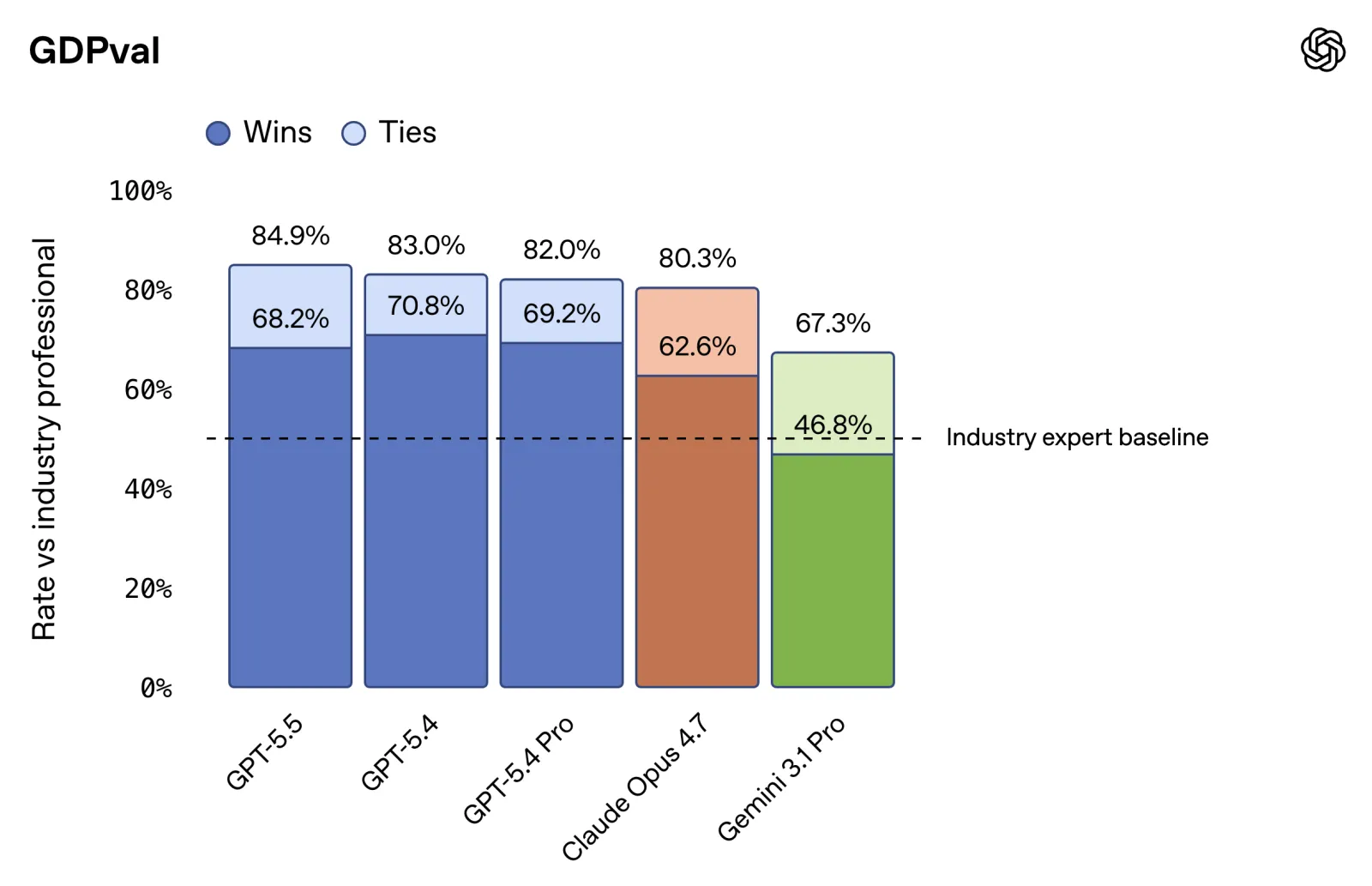
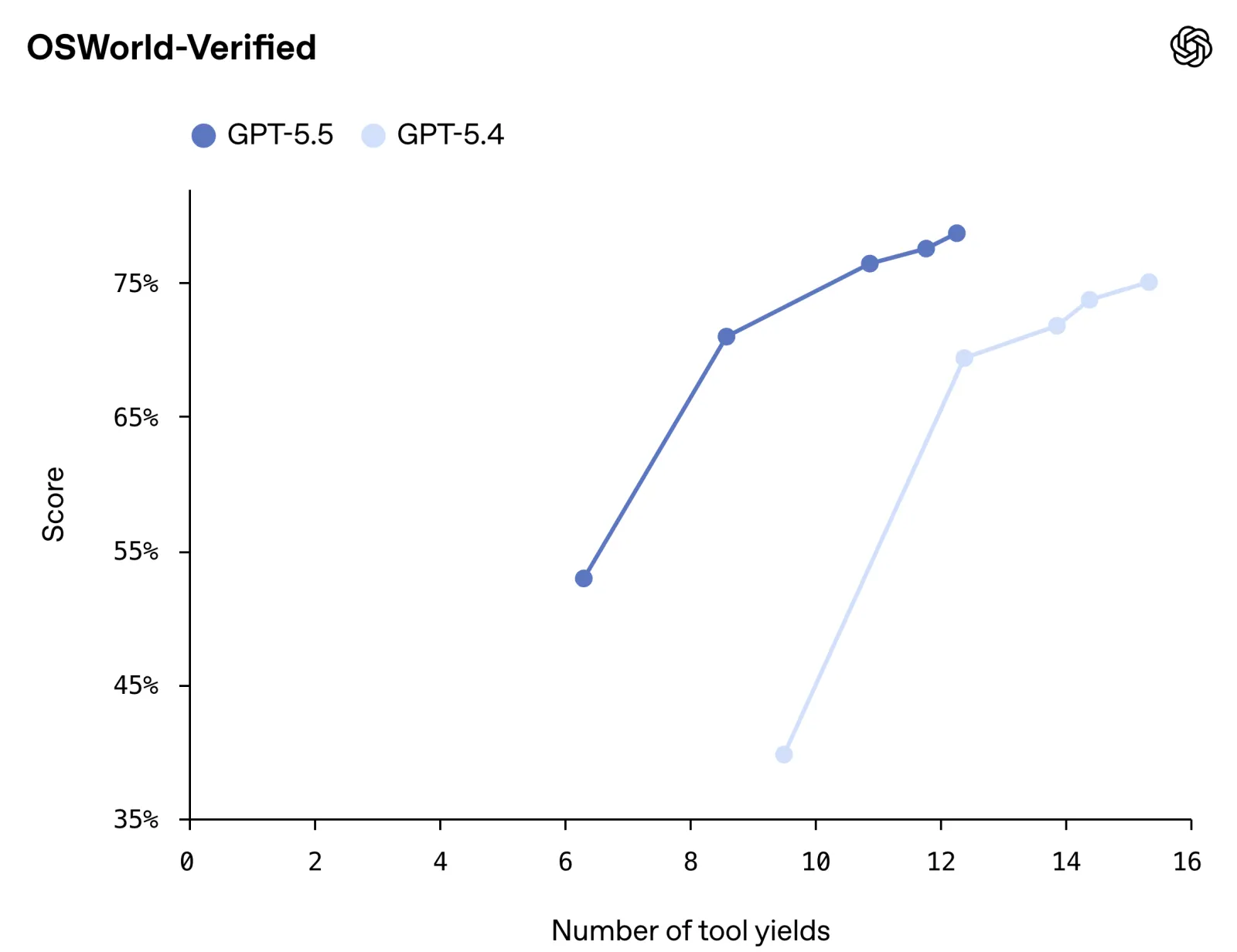
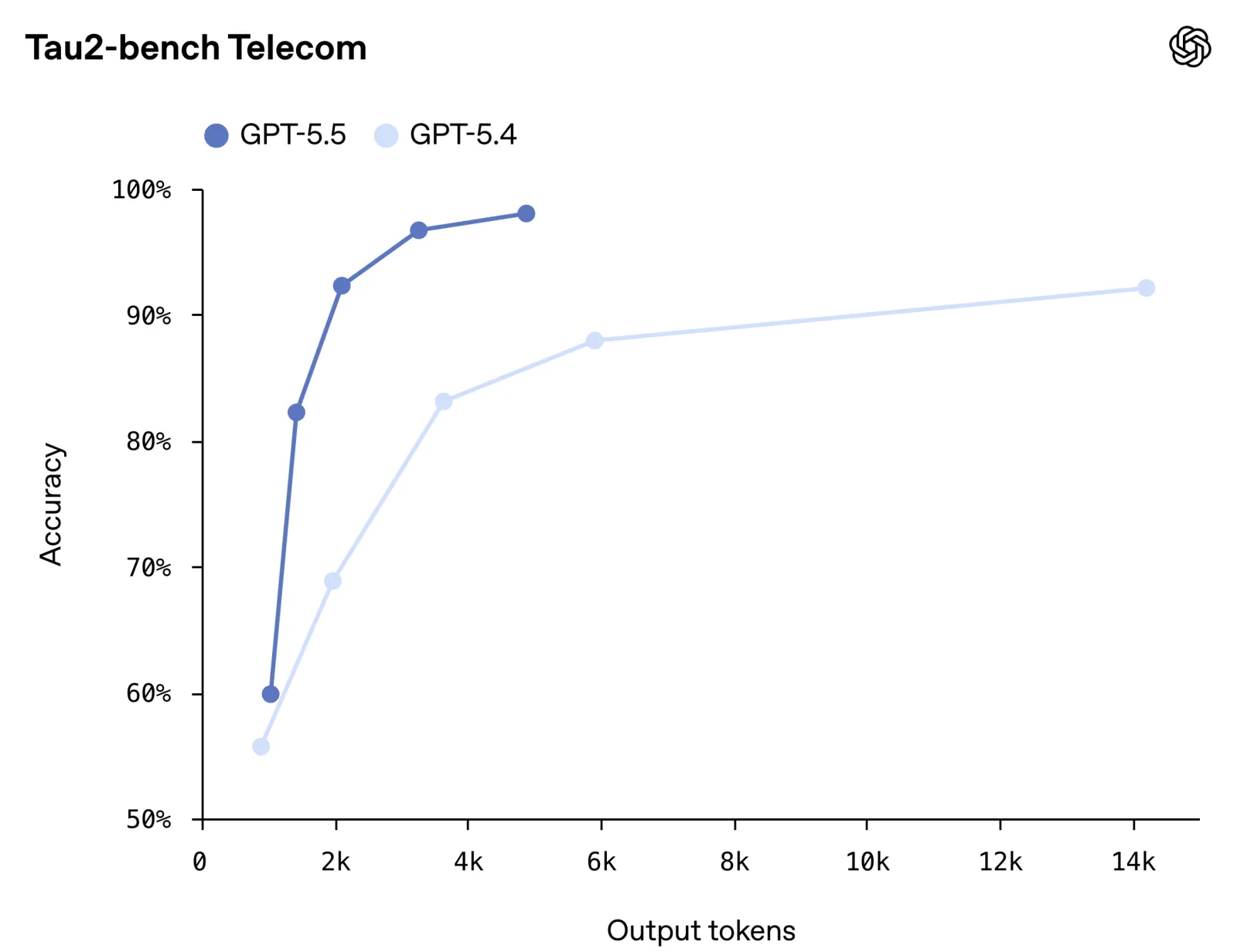
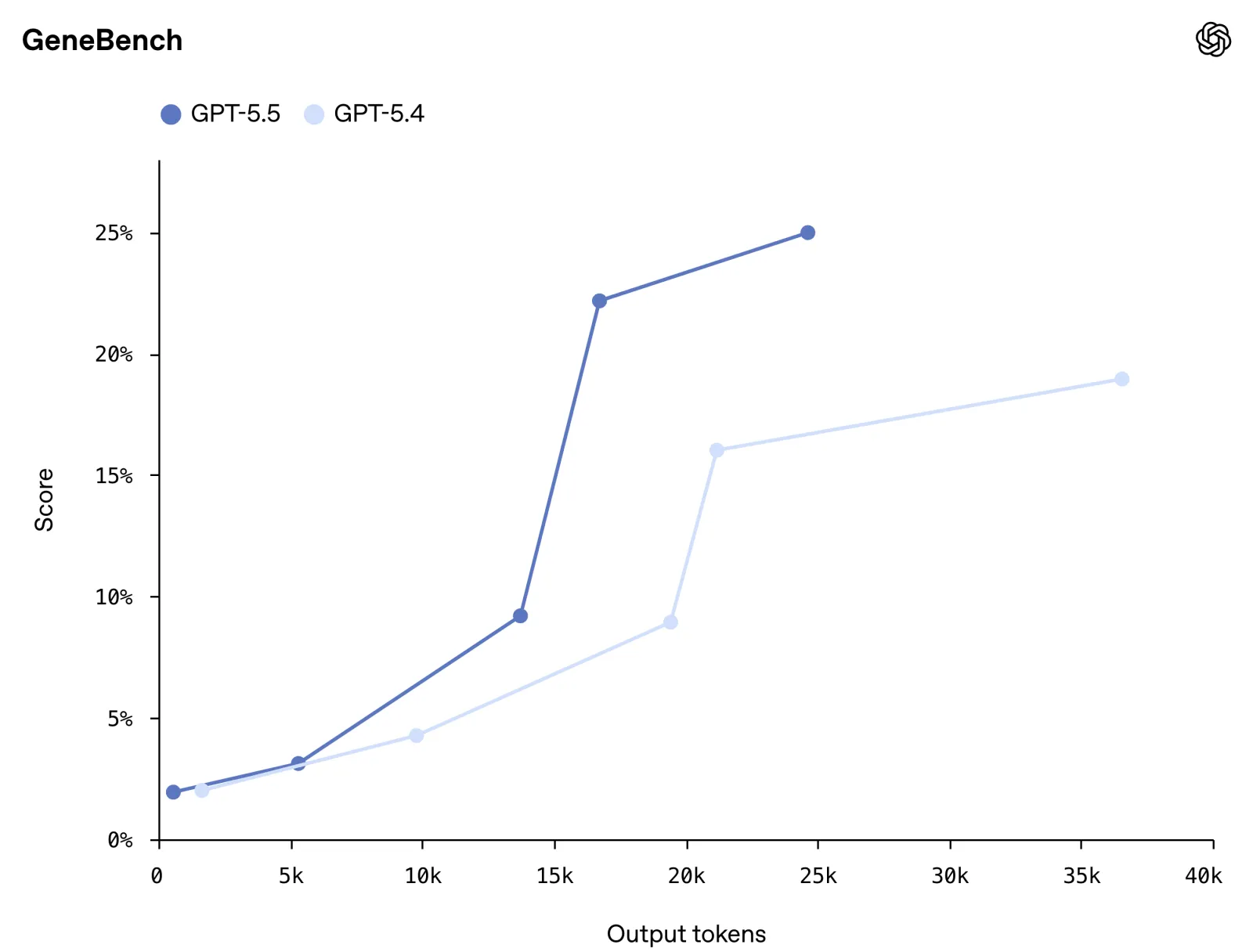
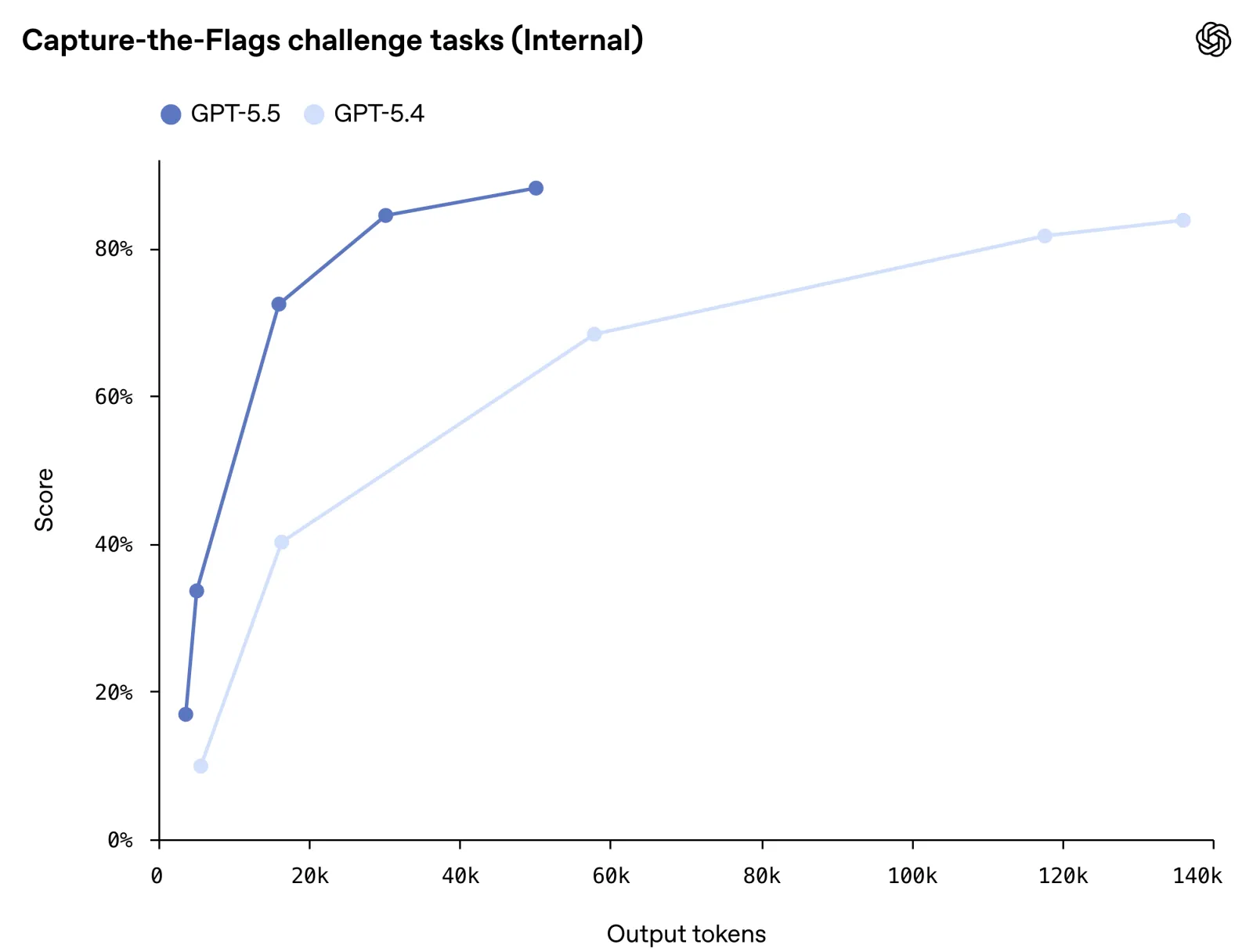
GPT-5.5 still fits validated complex professional work; new heaviest loads can compare GPT-5.6.
For multi-step coding, test repair, and cross-file features. Teams whose prompts and evals already bind to GPT-5.5 can keep shipping on it.
For research synthesis, table work, and one-page decision memos. Quote hard constraints and give a checkable recommendation.
For workflows that call tools repeatedly and finish end to end. Pin success checks and abort conditions up front.
All three are OpenAI workhorses. The differences are generation depth, everyday cost, and whether your workflow is already validated.
| Dimension | GPT-5.5 | GPT-5.6 Sol | GPT-5.6 Terra |
|---|---|---|---|
| Context | 1M tokens | 1M tokens | 1M tokens |
| Reasoning | Tunable depth tiers | Max depth · ultra available | Balanced depth |
| Coding / agents | Flagship coding & agents | Heaviest current long-horizon coding | Day-to-day coding & mid-weight agents |
| Long tool runs | Validated workflows can continue | Flagship depth + ultra | More balanced completion and throughput |
| Speed posture | Professional-work primary | Completion quality and depth first | Everyday primary favors balance |
| Prefer when | Workflows already validated on 5.5 | New heaviest reasoning and long-horizon jobs | Near–5.5 quality on the GPT-5.6 balanced tier |
Free quota, model naming, key specs, and how it differs from GPT-5.6.
Million-token context, tunable depth, suited to validated professional workflows.
Open GPT-5.5No OpenAI API key required.